
Protecting Thailand's sugarcane workers from dangerous heat
Across Thailand's sugarcane fields, workers spend long days harvesting crops in intense heat. As climate change drives rising temperatures, many face increasing risks to their health, wellbeing and livelihoods, making it more important than ever to understand how extreme heat affects those working outdoors.
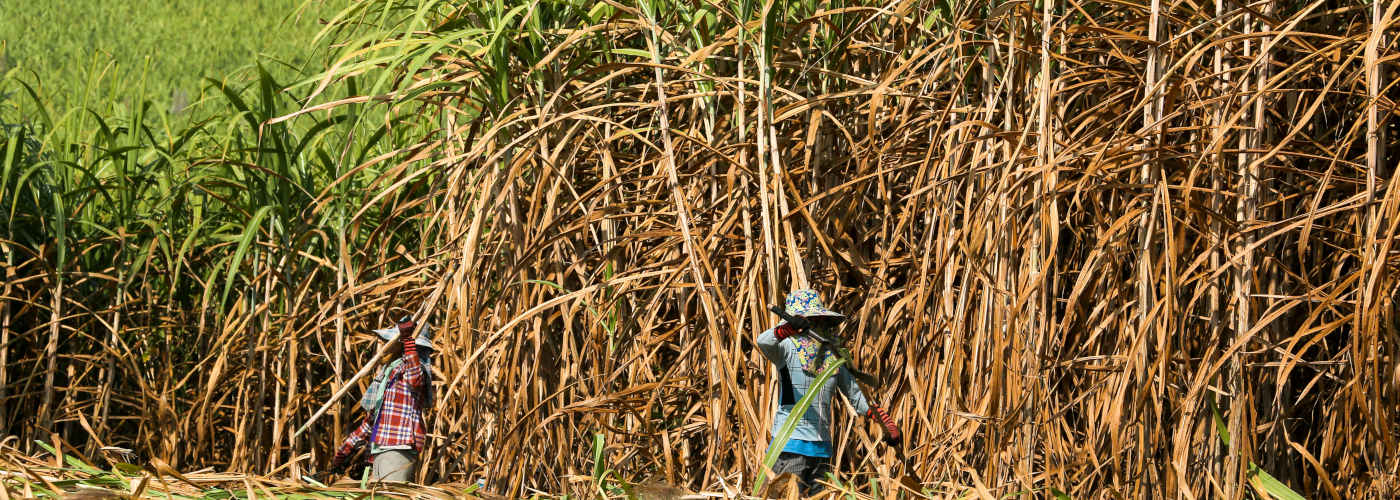
Researchers from Naresuan University in Thailand and The University of Manchester are working together to better understand the impact of extreme heat on sugarcane workers, whose jobs often involve long hours of physically demanding labour in direct sunlight.
By combining local field expertise with Manchester's strengths in occupational health, cardiovascular science and data analysis, the project is building evidence that could help generate policy-relevant evidence and shape practical protections for workers as temperatures continue to rise.

Professor Martie Van Tongeren
Martie is a Professor of Occupational and Environmental Health in the Division of Population Health, Health Services Research and Primary Care.
Measuring heat in real working conditions
Heat stress occurs when the body is unable to regulate its internal temperature. For sugarcane workers, this risk is intensified by a combination of environmental heat, heavy physical labour and clothing that can limit the body's ability to cool down.
To understand the scale of the problem, the international research team carried out fieldwork with 300 sugarcane workers in Thailand's Nakhon Sawan Province during the 2023 harvesting season. Data was collected over 25 days, covering cooler months in January and February, as well as a hotter period in March.
The team measured heat exposure across full work shifts using Wet Bulb Globe Temperature sensors, which capture the combined effects of temperature, humidity, sunlight and wind. They also recorded workers' heart rate, blood pressure and body temperature before and after shifts, spoke to workers about heat-related symptoms and working conditions, and tracked the number of sugarcane stalks harvested.
This gave the team a detailed picture of how working in extreme heat affects both health and productivity.
Unsafe heat for most of the working day
For many sugarcane workers, unsafe heat is a routine part of the working day.
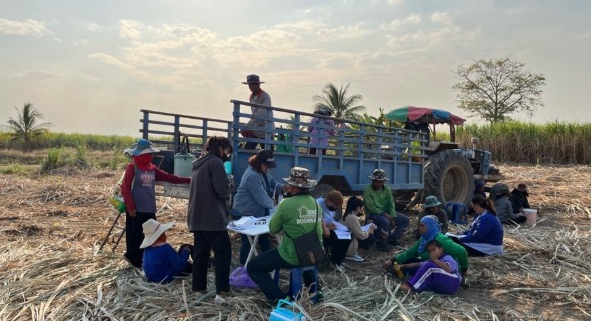
Worker interviews providing insight into lived experiences of heat stress and working conditions.
During the fieldwork, average Wet Bulb Globe Temperature values exceeded 31°C and often surpassed 35°C, levels considered dangerous for sustained heavy labour. Compared with international occupational guidelines, workers were exposed to unsafe heat conditions for 73% of working time during the cooler months, rising to 91% during the hottest period.
With each 1°C increase in heat exposure, workers faced a greater risk of heat-related symptoms. Their post-shift heart rate and core body temperature also rose significantly, pointing to sustained cardiovascular strain and an increased risk of heat-related illness.
The consequences also extended to workers' livelihoods. As temperatures increased, productivity declined, with fewer sugarcane stalks harvested per hour. For workers paid according to output, this can mean lower income, reinforcing existing vulnerabilities.
The challenge of harvesting in a warming climate
Harvesting practices can also intensify the risks workers face.
In Thailand, sugarcane is commonly harvested in two ways: by cutting fresh cane, or by burning fields before harvesting. Burning can make harvesting faster and reduce labour demands, but it also adds heat and air pollution to an already challenging working environment.
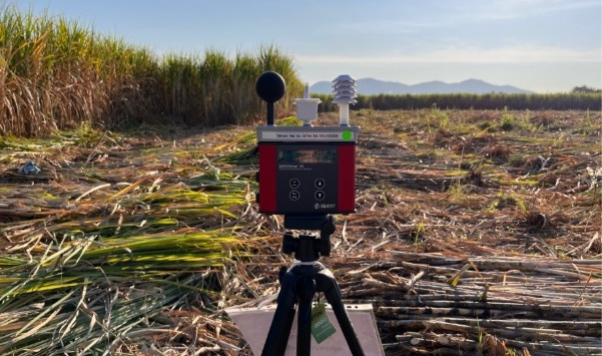
WBGT monitoring equipment positioned in the field to capture real-time environmental heat exposure.
During cooler months, fresh harvesting was more common. As temperatures rose, burning became more dominant, creating a compounded exposure where high ambient temperatures were combined with heat from fires.
This points to a wider challenge for worker health. Economic and logistical pressures can make it difficult to adopt safer working practices, particularly during peak heat periods.
Practical solutions for workers and policymakers
Protecting workers will require practical, low-cost interventions that can be used in agricultural settings.
Simple measures such as purpose-built shaded rest areas, regular access to cool drinking water and electrolyte solutions, and structured work-rest cycles could help strengthen 'water, rest and shade' practices.
Work could also be adapted to reduce exposure during the hottest parts of the day. Shifting heavy labour away from peak heat hours, improving tools and ergonomics, and introducing low-cost cooling options such as cooling bandanas or neck wraps could all help reduce physical strain.
Health monitoring is another important part of prevention. Regular checks of body temperature and heart rate could help identify when workers are at risk and prevent them from returning to work before they have recovered.
At a policy level, national heat-health alert systems, enforceable occupational heat standards and stronger integration of heat risk into labour and agricultural policy could help protect outdoor workers as temperatures continue to rise.
Protecting health, livelihoods and food systems
As climate change increases the frequency and severity of dangerous heat conditions, outdoor workers are likely to face growing risks without stronger protections.
Heat stress is not only an occupational safety issue. It is also a public health, economic and food systems challenge, with consequences for workers' health, income and the sustainability of global food and supply chains.
This project is generating evidence that could support practical action, inform policy and improve conditions for workers most exposed to climate-related health risks.