
Involving communities in autism research through the Autism@Manchester platform
Research should not just be conducted by academics but also shaped by the people it affects. Autism@Manchester addresses this by bringing together researchers, clinicians and the autistic community, enabling individuals with lived experience to influence how autism research is designed, delivered and understood.
Why co-production matters
Autism is characterised by life-long differences in social interaction and communication, with experiences varying widely across individuals. In recent years, there has been a growing shift towards listening to and collaborating with autistic people, with research increasingly guided by the priorities identified by the autistic community itself.
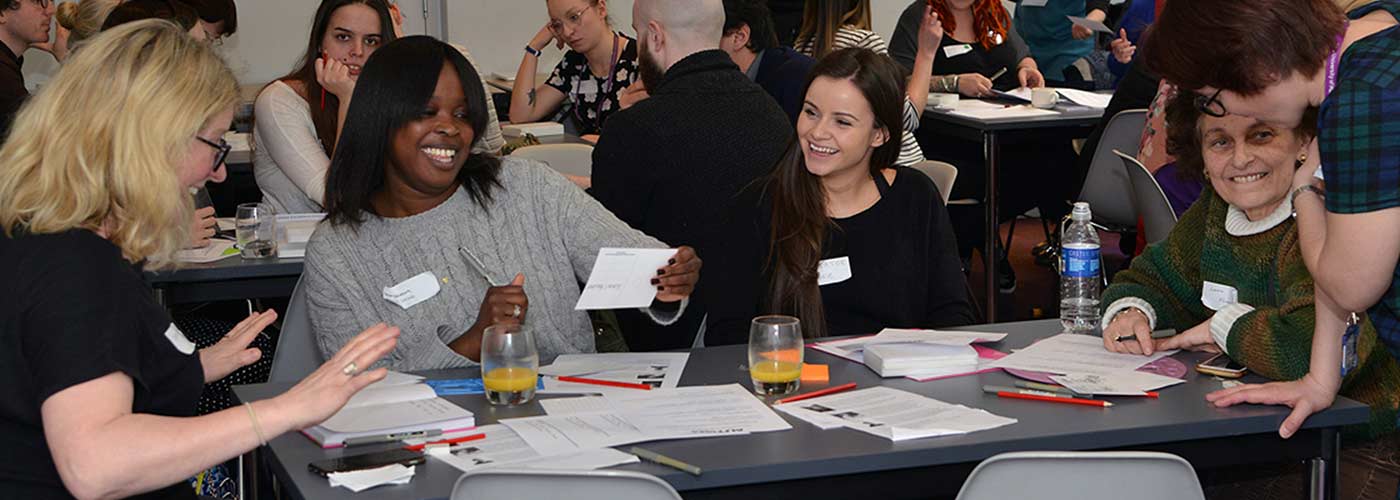
One Autism@Manchester project, Building Bridges, found that autistic individuals and parents of autistic children feel excluded from influencing the outcomes of research that matters to them. This workshop gave the autistic community a platform to voice their concerns, giving clinicians and researchers a clear direction on what needs to change.
Aside from shaping research, getting involved with Austism@Manchester also gives autistic individuals a chance to meet others like themselves, connect with experts in the field and deepen their understanding of their own experiences.
This collaborative approach also benefits researchers. Through expert-by-experience groups, they can gain access to a wider participant pool and get input throughout the whole life cycle of their projects. This involvement can strengthen research quality and lead to more successful grant applications but also encourage deeper changes to individual values and perspectives.
Ultimately, co-production ensures that autism research is grounded in lived experience, making it more meaningful and relevant. It brings researchers and autistic people together as equal partners, shaping studies that genuinely capture the community’s needs.

Professor Emma Gowen
Professor Emma Gowen is co-chair of Autism@Manchester and co-director of the Body Eyes and Movement (BEAM) lab, researching sensory motor control and imitation in autistic adults.
Diverse research themes for diverse autism needs
Truly reflecting the wide range of experiences of the autism community, Autism@Manchester has 18 different research themes to encompass the many aspects of autism: social communication and interaction, sensory and movement characteristics, associated genetic conditions, cognitive and linguistic processing, and more.
Alongside autistic individuals, the researchers behind each of these topics often work with other autism academics, wider autism support groups or charities and external partners across Greater Manchester. This enables them to involve as much of the autism community as possible and to deliver their research outcomes to the public more quickly.
Making an impact and looking ahead
Autism@Manchester is already making a real difference across multiple areas of autism research. For example, the Autism, Vision and Eyecare project involved autistic adults through focus groups, questionnaires and eye examinations to identify common visual challenges and limitations of conventional eye examination procedures. A key outcome of this project was recommendations for making eye examinations more autism-friendly and accessible. Crucially, these were not only informed by the study results, but also the suggestions from the autistic individuals themselves.
Another initiative is Café Autistíque, a regular public event that brings together autistic individuals and their friends, families and clinicians to hear about and discuss current autism research. This autism-friendly and inclusive environment strengthens dialogue between researchers and the autistic community, ensuring research remains accessible and relevant to diverse autism needs.
These projects demonstrate how co-production sits at the heart Autism@Manchester’s research. By creating a space where autistic individuals, researchers and clinicians work side by side, Autism@Manchester not only enables researchers to collaborate more effectively with the autistic community but also supports autistic people to become more involved in shaping the studies that affect them. Through producing practical resources such as this, alongside high-quality research and teaching, the network is also helping to educate the next generation of autism researchers, ensuring that co-production remains central to autism research for years to come.
Stay up-to-date with Autism@Manchester news and events by visiting the Autism@Manchester Blog and reading past newsletters: Autism@Manchester | Newsletter