
Empowering communities to shape stronger primary care systems
Dr Adwoa Agyemang-Benneh is a Global South Fellow at The University of Manchester. Here, she talks about her research, which explores how underserved communities in Ghana and Kenya can play a more active role in shaping the primary care systems they rely on. Through the Global South Fellowship, Adwoa has been able to build partnerships, develop a practical community-led toolkit, and support local people to identify and act on their own health priorities.
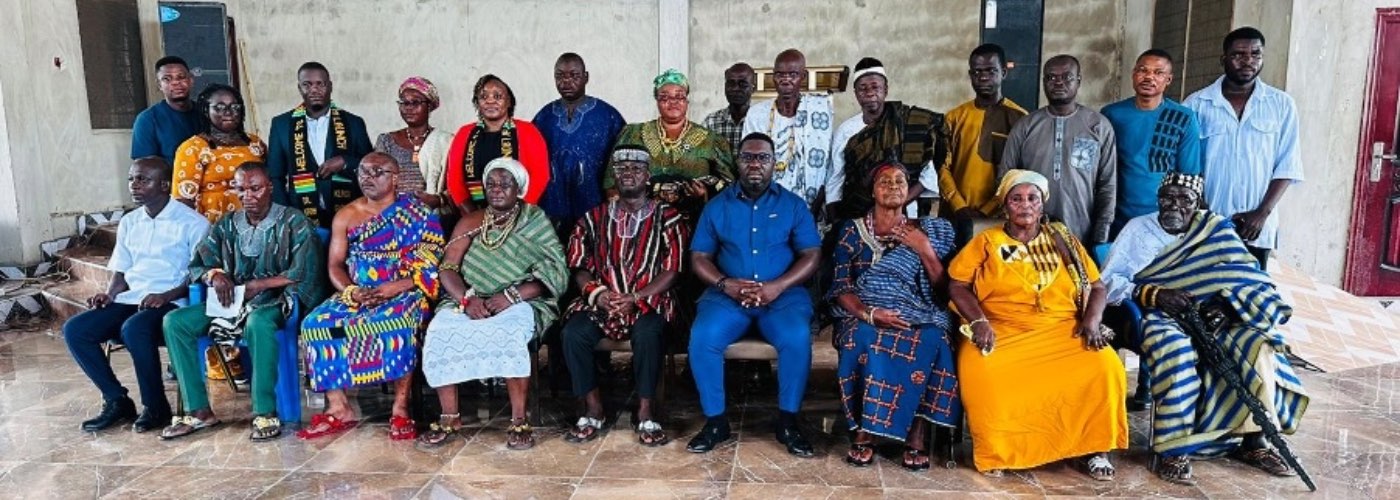
Listening to communities
My research looks at how communities can be more meaningfully involved in the way their primary care systems are organised, particularly in underserved areas where people are not always given the opportunity to shape the services they rely on.
In many parts of sub-Saharan Africa, access to healthcare can depend on where you live and whether you can afford to pay. Rural and underserved communities often rely on free public care, so my work is about making sure that care is as strong, responsive and community-led as possible.
Rather than going into communities and telling people what they should do, I want them to be active participants in shaping their own health systems.
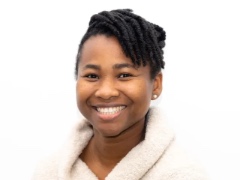
Dr Adwoa Agyemang-Benneh
Adwoa is a Global South Fellow in the Division of Population Health, Health Services Research and Primary Care at The University of Manchester.
I use a strengths-based approach called appreciative inquiry, which starts by asking what is already working well. That shift is important because it recognises what communities are already doing well, despite the challenges they face.
Turning local knowledge into action
Through this project, we have organised appreciative inquiry workshops in Ghana and Kenya with community members, community health workers and health system leaders.
The workshops follow five stages: define, discover, dream, design and deliver. Participants begin by identifying what they are proud of, what strengths already exist in their health system, and what their ideal system could look like. They then turn those ideas into practical action plans, with clear responsibilities for local people, health workers and leaders.
One of the main outputs has been an appreciative inquiry toolkit, designed to make the process practical and accessible. We adapted the approach for Ghanaian and Kenyan contexts, using local languages, proverbs and familiar examples, such as food, to explain each stage.
We are already seeing early signs of impact. In Ghana, water supplies have improved and a health facility structure has been built. In Kenya, the toolkit is now being taken into another county.
Building partnerships for lasting change
The Global South Fellowship has been central to helping me take this work forward. It gave me the space to conduct independent research, build partnerships, publish previous work and apply for future funding.
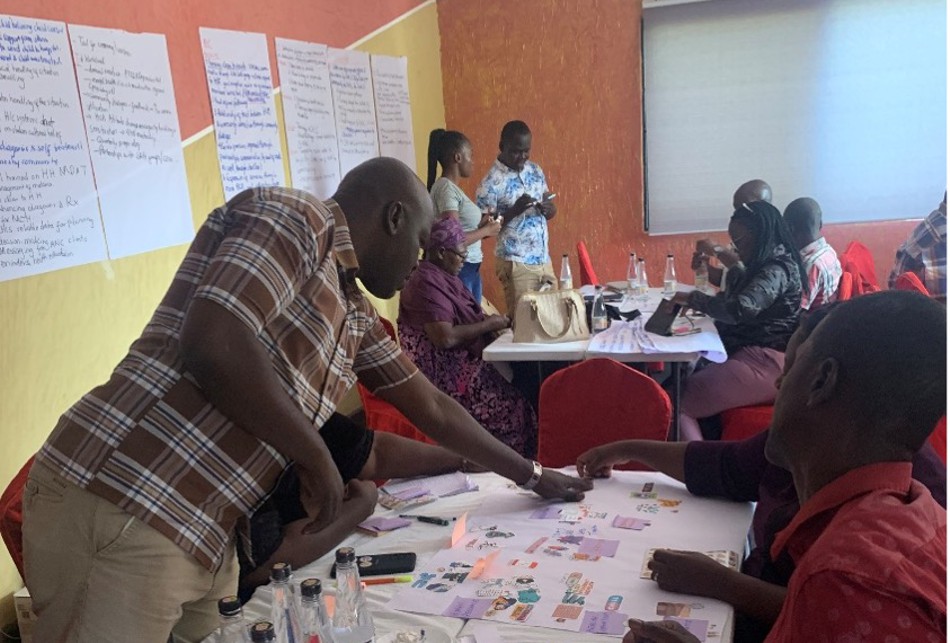
Appreciative inquiry workshop in Kenya.
It also allowed me to return to findings from my PhD, which showed that Ghana has strong primary care policies, but that community voice was often missing. This fellowship gave me the opportunity to turn that finding into something practical.
The funding helped me build partnerships in Ghana and Kenya. While emails and online meetings are useful, travelling to Nairobi and Kisumu helped solidify those relationships. Meeting people in person, speaking to health leaders and visiting communities made a real difference.
“None of us can choose where we are born, yet that reality continues to shape our opportunities, our health, and the choices available to us throughout life.”
Dr Adwoa Agyemang-Benneh
For me, meaningful global partnership is about open communication, honesty and equality. The next step is to apply for further funding, build stronger evidence, and understand how this approach can become part of routine primary care practice.
None of us can choose where we are born, yet that reality continues to shape our opportunities, our health, and the choices available to us throughout life. My hope is that my research will help address these inequalities by supporting and empowering underserved communities to live healthier, happier lives.
Learn more about our global health research.