Respiratory medicine and lung health
Transforming how we diagnose, treat and live with respiratory disease
Respiratory conditions limit lives, deepen health inequalities and place growing pressure on health systems.
At Manchester, we’re changing what is possible in respiratory medicine and lung health. By connecting discovery science, clinical expertise and real-world evidence, our researchers are accelerating breakthroughs in earlier detection, precision treatment and long-term care.
Our strength lies in the scale and connectivity of our ecosystem. Home to one of the UK’s largest integrated clinical and academic respiratory communities, Manchester combines international leadership with NHS, industry and community partnerships.
We are rooted in our city-region, engaging the communities most affected, training the next generation of respiratory researchers and turning innovation into patient benefit at pace.
International leadership in asthma, COPD and chronic cough research

Leading early-phase trials and experimental medicine infrastructure

Strong NHS, industry and community partnerships driving impact

Research topics

Airways
We are working to improve asthma diagnosis, monitoring and management across the life course. Combining laboratory research, large observational studies and clinical trials, we test new and existing diagnostics, investigate risk factors, and inform UK guidelines. A key focus is implementing better care in primary and community settings to improve diagnostic accuracy and reduce inequalities.
Our chronic obstructive pulmonary disease (COPD) research covers early detection, disease progression and treatment optimisation. We study exacerbations in community settings to understand patient differences, while precision pharmacology and early trials support new treatments.
Partnerships with industry have helped bring therapies to market, and inclusive study designs ensure relevance for patients with complex needs.
Lung cancer
We drive better lung cancer outcomes through earlier detection, screening and more precise diagnosis.
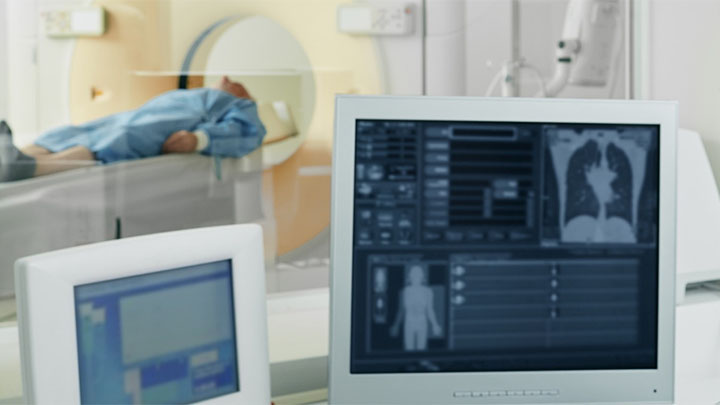
Our research has pioneered community-based lung health checks, using mobile low-dose CT scanning to reach people at higher risk and improve uptake in underserved communities. This work has shifted diagnosis towards earlier-stage disease and informed national lung cancer screening policy.
We also develop new diagnostic approaches, including radiomics, imaging analysis and industry-supported technologies, to improve detection, speed up assessment and support more effective treatment pathways.

Infection and inflammation
We investigate how respiratory infections are diagnosed, treated and prevented in acute and critical care.
Our work includes biomarker-guided approaches to antibiotic use, microbiome research and clinical trials. This research helps reduce unnecessary antibiotic prescribing and improves patient outcomes.
Findings have influenced national implementation programmes and support more sustainable approaches to managing infection and antimicrobial resistance.
We work with people living with cystic fibrosis to develop better tests and treatments for lung infections, helping improve quality of life and long-term health.

Symptoms and chronic cough
We focus on symptoms that significantly affect quality of life but are often poorly understood or treated, such as chronic cough and inducible laryngeal obstruction.
Using experimental medicine and non-pharmacological interventions, we develop new treatments and outcome measures.
Our work has led to widely used clinical tools and supported the licensing of the first effective therapy for refractory chronic cough.

Cross-cutting themes
We explore areas that cut across respiratory disease, including biological timing, biomarkers, air pollution, exacerbations, the exposome and mathematical modelling.
Research also focuses on developing novel diagnostic technologies and data-driven approaches to care.
Flexible funding supports rapid innovation, enabling new experimental medicine programmes that respond to emerging clinical and population health challenges.
Research on health inequalities is supported by expertise across the University and wider Greater Manchester health and care system, including through Healthier Futures and NIHR Applied Research Collaboration Greater Manchester.
Research environment
A connected respiratory research ecosystem
Manchester’s respiratory medicine and lung health research is supported by clinical, discovery, translational and environmental expertise across the University, NHS and partner organisations.
Together, this environment helps researchers understand disease mechanisms and develop, test and apply new approaches to prevent, diagnose, treat and manage respiratory disease.
The National Institute for Health and Care Research (NIHR) Manchester Biomedical Research Centre (BRC) supports translational research in asthma, chronic obstructive pulmonary disease (COPD), chronic cough and lung infections. Based within one of the UK’s largest clinical lung departments, the respiratory theme brings international leadership in COPD, lung symptoms, infection and asthma.
Inclusive Research is embedded across Manchester BRC’s programmes, strategy and infrastructure.
The North West Lung Centre is one of the UK’s largest specialist centres for respiratory and allergy care. Serving around 5.4 million people, it brings together clinical services, specialist expertise and pioneering respiratory research within Manchester University NHS Foundation Trust.
The National Institute for Health and Care Research (NIHR) HealthTech Research Centre in Emergency and Acute Care supports innovators – whether they are clinicians, academics or commercial companies – to generate the evidence required to progress their technologies through the innovation pipeline at a faster pace.
Manchester Environmental Research Institute connects expertise from natural sciences, health, ecosystems, water and energy to explore complex environmental challenges, including how environments affect physical and mental health, wellbeing and health inequalities.
The Centre for Biological Timing brings together Europe’s largest biological timing research community, with expertise in circadian biology, sleep, immunity, inflammation and environmental responses. Its work includes biological timing mechanisms in asthma and links to respiratory health.
The Medical Research Council (MRC) Centre of Research Excellence (CoRE) in Exposome Immunology is a £50 million Manchester–Oxford initiative investigating how lifetime environmental exposures contribute to chronic inflammatory disease, including asthma and COPD.
The Manchester Fungal Infection Group (MFIG) is an international centre of excellence for fungal infection biology and translational antifungal research at The University of Manchester.
MFIG investigates respiratory and mucosal fungal diseases, antifungal resistance and why some people are more susceptible to infection. Its work combines laboratory science, clinical research, NHS partnerships and industry collaboration to improve understanding, diagnosis and treatment of serious fungal infections.
Healthier Futures brings together expertise from across The University of Manchester to help address health inequalities and support fairer health outcomes.
NIHR ARC-GM supports applied health and care research across Greater Manchester, including work focused on health inequalities and public health.
Research in Manchester's Pulse Cystic Fibrosis Innovation Hub focuses on understanding why people with cystic fibrosis develop lung flare-ups, and how to personalise treatments for them.
The Innovation Hub in Manchester is part of a £15 million Cystic Fibrosis Translational Innovation Hub Network, funded by medical research charity LifeArc and the Cystic Fibrosis Trust.
Excellence and discovery
Transforming asthma diagnosis and treatment
From body clocks to breakthrough treatments, we're advancing new approaches to asthma care.
Potential new treatment target for asthma
We have identified a potential new therapeutic target that could reduce asthma symptoms and help repair previously irreversible lung damage.
Read more : about how Manchester researchers are exploring new way to treat asthma symptoms
Timing asthma inhalers
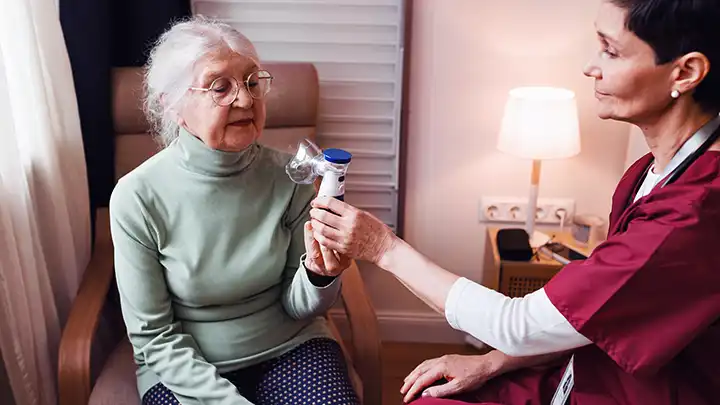
Our research shows that using inhalers in the mid-afternoon could improve response by working with the body clock.
Read more : about research suggesting that the afternoon could be best time for asthma inhaler.

Changing the rhythm of asthma care
A better understanding of the body clock is helping to reshape asthma care, opening up new possibilities for more effective treatment.
Read more : about how Manchester researchers are using biological timing to transform asthma care.

Environment, pollution and long-term health
We're building a better understanding of how environmental exposures influence health, helping to inform action at both local and global levels.
Plastic pollution and hearts
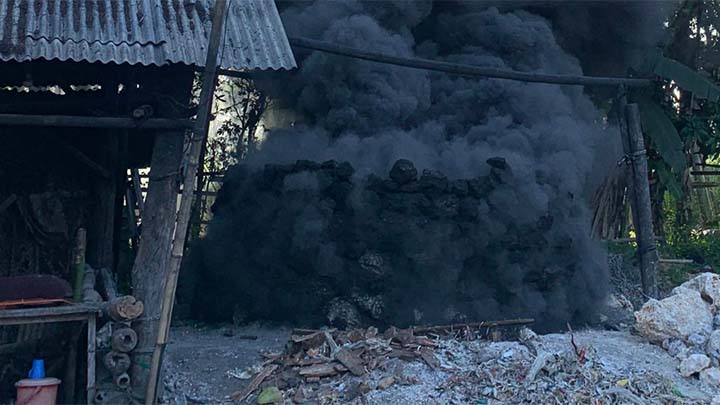
Our research in Indonesia shows how burning plastic waste may increase the risk of cardiovascular disease.
Read more : about research investigating the cardiovascular impact of plastic pollution in Indonesia
Cleaner cooking fuels and healthier lives
Research is shedding light on the barriers preventing wider access to cleaner cooking fuels in rural India.

Pollution in pregnancy
RESPIRE examines how air pollution exposure during pregnancy affects birth outcomes and children’s health.

Evidence shaping policy and practice
We're turning new insights into better ways to prevent, diagnose and treat respiratory disease.
Hidden communities in our lungs
Exploring the microorganisms that live in our lungs is revealing new insights into respiratory health, disease and how we respond to treatment.
Improving treatment of respiratory infections
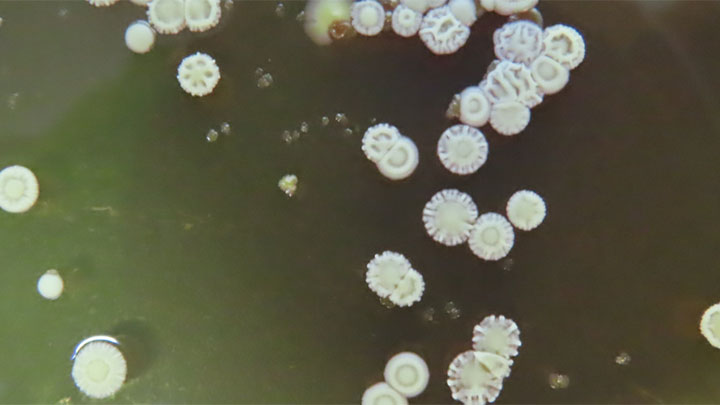
Research is helping clinicians diagnose and treat respiratory infections more effectively, improving patient care while reducing unnecessary antibiotic use.
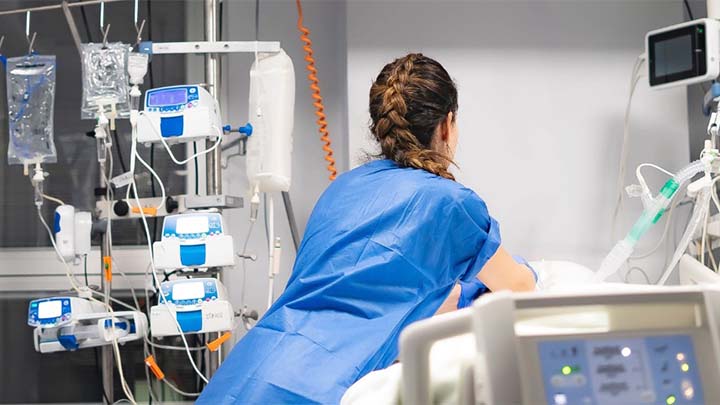
Transforming treatment for chronic cough
New approaches to chronic cough are improving treatment options for people living with a condition that can have a major impact on daily life.
Read more : about how Manchester researchers are transforming treatment for chronic cough.

Understanding COPD in real-world patients
Our research is improving understanding of chronic obstructive pulmonary disease (COPD), from everyday treatment decisions to the development of future therapies.
Stopping COPD inhalers
Manchester research shows stopping long-acting inhalers can raise flare-up risk for around three months.
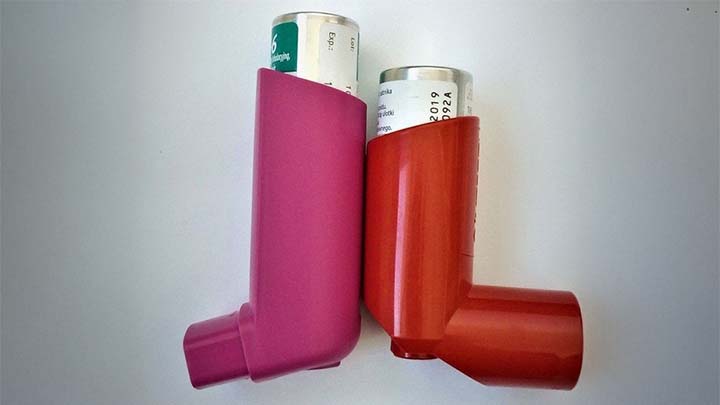
Transforming COPD trials
Manchester researchers are building on the landmark Salford Lung Study, using long-term data to identify early signs of disease.
Read more : about how the Salford Lung Study is transforming COPD research.

Next-generation COPD treatments
By uncovering new ways to target COPD, researchers are paving the way for the next generation of therapies.
Read more : about how Manchester researchers are developing the next generation of COPD medicines.
Postgraduate researchers
Supporting your postgraduate journey
PhD students benefit from a supportive, interdisciplinary research environment with access to world-class clinical facilities, experimental medicine infrastructure and strong NHS and industry links.
Training includes supervision by international leaders, opportunities for translational research, and active support for career development and inclusion.
Our people
Find out who works on respiratory medicine and lung health
Learn about the Manchester researchers working in the field of respiratory medicine and lung health, and visit their research profiles.
In focus: Professor Hannah Durrington
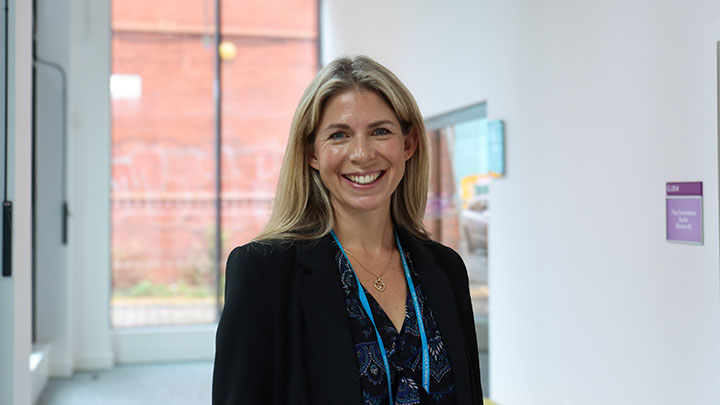
Professor Hannah Durrington is a respiratory clinician and researcher at The University of Manchester. Her work focuses on improving understanding of asthma and developing better approaches to its management and treatment.
Alongside leading a translational research group, she works as an honorary consultant physician and supports patients through a weekly asthma clinic. She also contributes to national respiratory research collaborations and works closely with patients and the public to ensure research is informed by their experiences and priorities.
- Professor Jacky Smith
- Professor Stephen Fowler
- Professor Dave Singh
- Professor Clare Murray
- Professor Tim Felton
- Professor Hannah Durrington
- Professor Angela Simpson
- Professor Paul Dark
- Professor Alex Horsley
- Dr John Blaikley
- Dr Alexandros Mathioudakis
- Dr Ran Wang
- Dr Riina Richardson
- Dr Elizabeth Mann
- Dr Fiona Whelan
- Dr Gareth Kitchen
- Dr Paul Marsden
- Dr Laurence Pearmain
- Dayheem Sedighi (Divisional Administrator)
- Zoë Talks (BRC Respiratory Medicine Theme Project Manager)
- Brooke Thompson (Research Project Officer in Respiratory Medicine)
- Dr Waqar Ahmed
- Dr Augusta Beech
- Dr Kimberley Holt
- Dr Danielle Weaver
- Dr Jiakai Wu
Explore related information
Contact us
Research collaboration opportunities
Interested in working with our respiratory medicine and lung health researchers?
Contact our faculty research development and innovation team to explore shared research interests or future projects.
Email: FBMH.RDI@manchester.ac.uk

Consultancy and partnership opportunities
Looking for academic expertise, consultancy or partnership opportunities?
Contact our business engagement team to discuss ways to work with us, including consultancy, knowledge exchange, student projects and access to facilities.
Visit: Business engagement