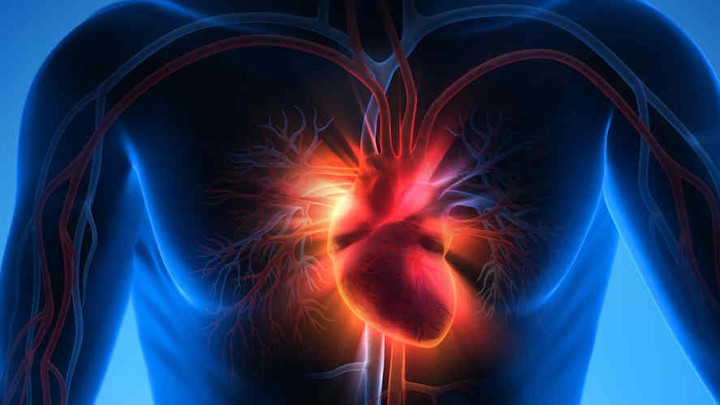
Putting people at the heart of our research to create real-world impact.
Diseases affecting the heart and circulatory (cardiovascular) system including hypertension, coronary artery disease, heart failure, stroke and dementia account for over a quarter of all deaths.
We co-ordinate heart and circulatory research across both the University and regional health and care partners, using a ‘team science’ approach to build multi-disciplinary teams that share expertise.
Our researchers utilise highly innovative methods, interdisciplinary approaches and collaborate internationally to understand the causes and consequences of heart and circulatory disease.
We use this information to help identify and evaluate novel therapies and ways to manage patients and save lives.
Together, we are using our research to improve outcomes for patients and reduce the societal burden of heart and circulatory disease.
8 million people in the UK live with cardiovascular disease.
There are around 200,000 new diagnoses of heart failure every year.

Cardiovascular disease is the leading cause of death globally.

Sources: British Heart Foundation (2026), World Health Organisation (2025).
Our impact
Impact is the benefit our research brings to the world.
Our innovative, interdisciplinary and international collaborative research is reducing the burden of heart and circulatory disease in many ways.
Our impact extends from consideration of how a person’s genetic make-up, modelling risk and early detection of disease through to patient interventions, predispose an individual to the development of heart and circulatory disease.
Underpinning the development of this impact is the breadth of fundamental discovery, experimental and applied medicine research being performed by our individual researchers and across our divisions, schools, faculties, research platforms and institutes.
British Heart Foundation Centre of Research Excellence
The Manchester British Heart Foundation Centre of Research Excellence (CRE) is at the forefront of groundbreaking cardiovascular research. The CRE advances cardiovascular research by driving interdisciplinary collaboration to tackle cardiovascular disease.
Read more about the CRE : Manchester British Heart Foundation Centre of Research Excellence

Our research impact
Early detection, prevention and risk
A key step in initiating appropriate treatments.
Preventing cardiovascular disease starts with understanding who is most at risk, why that risk develops, and how it can be reduced before serious illness occurs. Our researchers explore the biological, environmental and social drivers of cardiovascular disease, from obesity-related inflammation to the health impacts of plastic and air pollution. By identifying risks earlier, this work helps inform prevention, policy and healthcare interventions for communities most exposed to harm.
Rapid testing for acute coronary syndromes
Our work in the emergency department has helped develop ultra-high sensitivity blood tests and rapid decision-making tools for patients suspected of having had a heart attack, allowing for quicker treatment, improved recovery and earlier discharge.
Read the story : Rapid testing for acute coronary syndromes.
Investigating the cardiovascular impact of plastic pollution in Indonesia
Air pollution caused by burning plastic waste is an escalating public health issue, particularly in rural Indonesia. A Manchester-led study is investigating how this form of pollution contributes to cardiovascular disease risk.
Read the story : Investigating the cardiovascular impact of plastic pollution in Indonesia.

Investigating obesity and cardiovascular disease
Manchester research is investigating the links between a specific type of fat, called perivascular adipose tissue (PVAT), and cardiovascular disease in obesity.
Read the story : Investigating obesity and cardiovascular disease.

Heart failure
Achieving successful outcomes in patients with heart and circulatory disease.
Heart failure remains one of the biggest challenges in cardiovascular care, affecting millions of people worldwide and placing growing pressure on health services. Our researchers are improving how heart failure is understood, monitored and treated, from digital pathways that identify deteriorating patients sooner to studies exploring how blood flow, damage and repair shape disease progression. This work helps reduce hospital admissions, improve patient care and support new approaches to protecting heart health.
New digital heart failure care pathway reduces hospital admissions in Greater Manchester
Our researchers are using information obtained from patients’ pacemakers to identify changes in the patient’s condition. With this data, clinicians are able to alter the patient’s medication and lifestyle before their symptoms deteriorate.
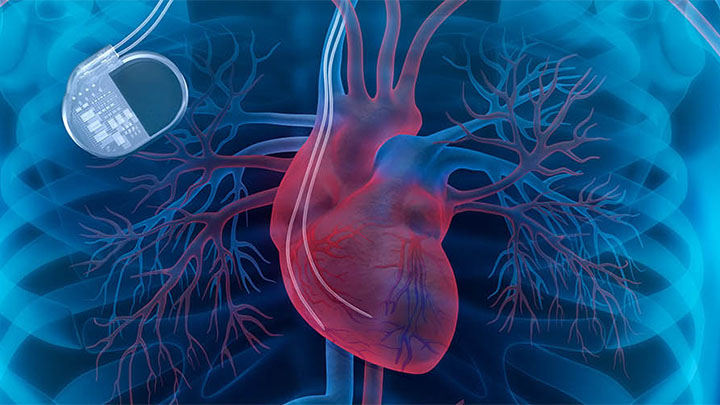
Repairing the heart after attack: targeting damage at a molecular level
Manchester researchers are looking more closely at what happens inside the heart after injury, moving beyond looking at the symptoms to understand the underlying biology of damage.
Read the story : Repairing the heart after attack: targeting damage at a molecular level.

Understanding heart damage caused by turbulent blood
Researchers have developed more accurate computer models of blood flow through vessels and across heart valves. These will help improve surgical approaches to correcting blood vessel and heart valve disorders and enable clinicians to better interpret MRI images.
Read the story : Understanding heart damage caused by turbulent blood.
Women’s cardiovascular health and pregnancy
Preventing complications during and after pregnancy.
Women's cardiovascular health is influenced by a range of biological, environmental and social factors across the life course. Our researchers work to better understand how these factors affect heart and circulatory health, and how risks can be identified and managed earlier. This work helps inform more preventative, personalised care that supports better outcomes for women, during pregnancy and beyond.
How pregnancy can help to identify heart disease risk
Manchester researchers are investigating how pregnancy and the postnatal period can be used to identify cardiovascular risk to help boost outcomes for women's long-term heart health.
Read the impact case : How pregnancy can help to identify heart disease risk.
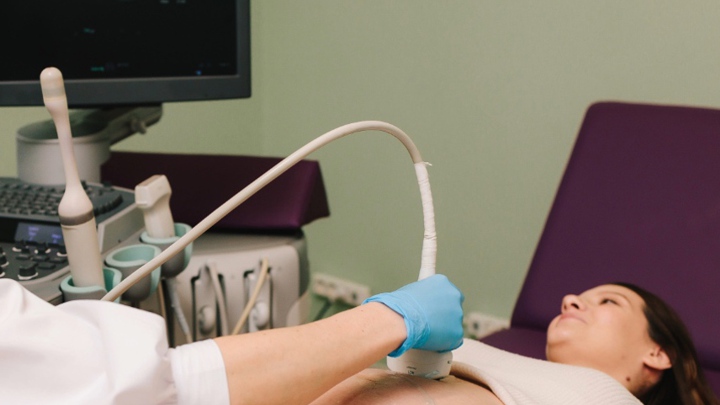
Assessing the impact of air pollution exposure in pregnancy on child development and health
Manchester is part of a UK-wide project looking at the impact of exposure to indoor and outdoor pollution during pregnancy on baby development and child health.

Seeking to reduce future heart disease risk after pre-eclampsia
Our work in the emergency department has helped develop ultra-high sensitivity blood tests and rapid decision-making tools for patients suspected of having had a heart attack, allowing for quicker treatment, improved recovery and earlier discharge.
Read more about seeking to reduce future heart disease risk after pre-eclampsia.

Stroke, dementia and vascular disease
Understanding and managing heart and circulatory conditions better.
Our research into stroke, dementia and vascular disease aims to improve outcomes for people affected by conditions that can have lasting physical, cognitive and emotional impacts. By combining discovery science, clinical research and patient-centred care, we're advancing understanding of how these conditions develop and how people can be better supported after diagnosis. This work helps shape more effective treatments, recovery pathways and long-term care.
New treatment for swallowing problems after stroke and brain injury
Find out how electrical stimulation is being used to help people with swallowing difficulties following a stroke or brain injury.
Read the story : New treatment for swallowing problems after stroke and brain injury.
Improving long-term support for stroke survivors
Manchester researchers have also developed a toolkit that enables healthcare professionals to appropriately evaluate new and unmet needs of patients who have had a stroke and enable appropriate care to be implemented and support post-stroke recovery.
Read the story : Improving long-term support for stroke survivors.

Blood vessel breakthrough is major step towards dementia treatment
Our researchers have identified an important role for two proteins in the blood vessels of the brain which appear to be linked to the development of brain injury in Alzheimer’s disease and offer the prospect of new treatments for this condition.
Read the story : Blood vessel breakthrough is major step towards dementia treatment.
Data, AI and digital health
Using data and digital tools to predict, diagnose and improve cardiovascular care.
Digital innovation creates new opportunities to prevent, diagnose and manage heart and circulatory disease. Researchers use data, modelling and clinical decision-support tools to understand health risks, predict future disease and improve patient pathways. From environmental health modelling to rapid testing for suspected heart attacks, this research helps clinicians make better-informed decisions and deliver care that is faster, more targeted and more efficient.
Understanding health outcomes through air pollution
Researchers at The University of Manchester are developing models and tools that are being used to document and predict how environmental changes are impacting on human health.
Read the story : Understanding health outcomes through air pollution.

Developing tools to help predict future risk for diabetes and heart attack
Future risk for people living with type 2 diabetes and those who have had a heart attack in the past can now be predicted as a result of research at Manchester.
Read the story : Developing tools to help predict future risk for diabetes and heart attack.

Rapid testing for acute coronary syndromes
Our research has led to new methods of investigating chest pain using high-sensitivity cardiac troponin assays, making results available quicker and reducing unnecessary hospital stays.
Read the story : Rapid testing for acute coronary syndromes.